How 3D Laser Scanning Reinvents Architectural Style and Construction Projects
3D laser scanning is transforming the landscape of building design and building and construction. This technology uses unrivaled precision in capturing existing atmospheres, which promotes better task preparation and implementation. It reduces errors while boosting performance in various stages of advancement. The ramifications for partnership amongst architects, engineers, and other stakeholders are significant. These improvements unlock to new style opportunities and cutting-edge remedies. What exists ahead for this evolving modern technology?
The Principles of 3D Laser Scanning Modern Technology
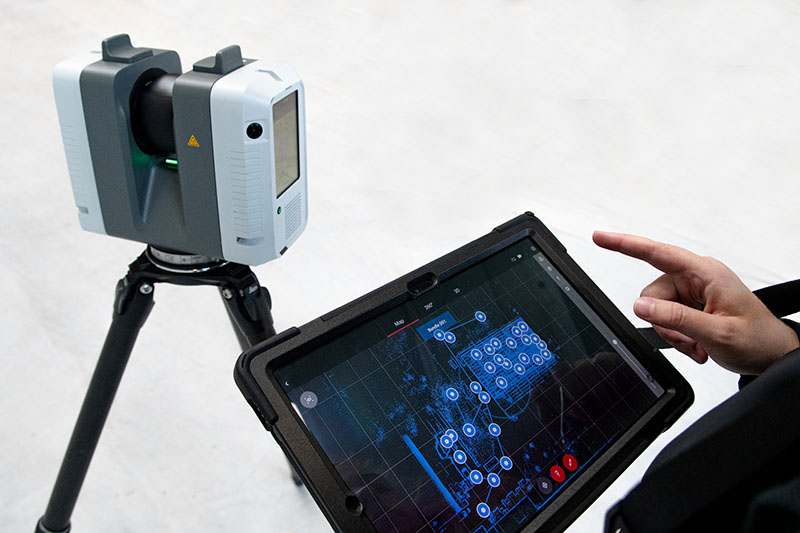
Although 3D laser scanning modern technology might appear complicated, its core concepts are transformative and simple for building design. This innovation uses laser beams to capture exact measurements of physical frameworks, creating a detailed factor cloud that represents the scanned environment. A laser scanner sends out rapid pulses of light, measuring the time it takes for the light to return, which permits the calculation of ranges with remarkable accuracy.
The resulting point cloud can be exchanged a 3D version, providing engineers with very useful aesthetic information. This design allows professionals to control and examine design elements within their tasks, enabling ingenious options and enhanced visualization. By using 3D laser scanning, engineers can better comprehend the status quo of a site, guaranteeing that new designs integrate with their environments. This integration of modern technology right into building design notes a significant innovation, cultivating imagination and precision in the field.
Enhancing Accuracy and Effectiveness in Architectural Projects
As building tasks significantly demand accuracy and rate, 3D laser scanning becomes an essential device in boosting both precision and performance. This technology records countless data points in a brief duration, creating precise and detailed 3D models of existing structures. The ability to acquire precise measurements lowers the threat of mistakes during the design phase, enabling designers to imagine their projects with unrivaled clearness.
The quick data collection process decreases the time invested on-site, making it possible for groups to focus on evaluation and style enhancements. With real-time data availability, changes can be made quickly, promoting an extra structured process. The integration of 3D laser scanning right into architectural methods not only boosts measurement accuracy however also boosts the total job timeline, helping with quicker decision-making. In an industry where accuracy is vital, this technology stands as a transformative pressure, elevating the requirements of building design and building and construction projects.
Simplifying Collaboration Among Stakeholders
While standard architectural procedures typically entail fragmented communication among stakeholders, 3D laser scanning cultivates an extra cohesive joint environment. By supplying precise, high-resolution information, this modern technology enables engineers, professionals, customers, and designers to operate from a unified factor of referral. The comprehensive visualizations created with laser scanning remove misconceptions and obscurities, ensuring that all celebrations have access to the exact same details.
This transparency boosts decision-making and urges timely responses, as stakeholders can easily picture layout components and spatial partnerships. On top of that, the combination of 3D scanning information into Structure Info Modeling (BIM) systems better streamlines collaboration, enabling real-time updates and modifications. Such smooth interaction not just decreases problems yet also speeds up job timelines, as all stakeholders remain aligned throughout the design and construction stages. Ultimately, 3D laser scanning changes traditional process right into a much more collaborative and effective procedure, benefiting all parties involved.
Opening Innovative Possibilities in Layout
By making it possible for designers to picture complicated intricate information and spatial relationships, 3D laser scanning reveals creative opportunities in style. This innovation permits for specific mapping of existing environments, allowing engineers to explore innovative concepts that might have formerly appeared unwise. With very exact data, developers can try out unique forms and materials, pressing the borders of conventional style.
Additionally, the combination of 3D laser scanning right into the layout procedure fosters cooperation among multidisciplinary teams, urging the exchange of concepts and enhancing creativity. The in-depth visualizations produced by this technology not just aid in recognizing possible design obstacles however additionally influence remedies that may not have actually been thought about. Consequently, designers can create a lot more appealing and vibrant rooms that resonate with individuals while fulfilling functional demands. Ultimately, 3D laser scanning transforms the architectural landscape, empowering developers to understand their visions with unmatched precision and imagination.
The Future of 3D Laser Scanning in Architecture and Construction
The assimilation of 3D laser scanning into building style not only improves creativity yet additionally establishes the stage for its evolving duty in 3D Scanning the future of design and building and construction. As modern technology developments, the accuracy and effectiveness of laser scanning will proceed to boost, making it possible for designers and home builders to produce extra intricate styles with accuracy - 3D Scanning. The usage of this modern technology in real-time information collection will certainly facilitate much better decision-making, reducing errors and streamlining workflows
Future applications might include virtual and increased fact assimilations, permitting stakeholders to imagine tasks in immersive settings. Additionally, as sustainability becomes a priority, 3D laser scanning will sustain the advancement of energy-efficient styles by offering detailed insights into existing frameworks. As partnership among numerous techniques comes to be even more vital, the capacity to share exact 3D designs will cultivate technology and improve job results. Ultimately, 3D laser scanning will certainly redefine requirements in architectural design and building and construction methods.
Regularly Asked Concerns
What Is the Cost of Applying 3D Laser Scanning Innovation?

For how long Does a Common 3D Laser Scanning Project Take?
A normal 3D laser scanning job can take anywhere from a couple of hours to numerous days, depending on factors such as the task's size, intricacy, and the level of detail required for exact information capture.
What Kinds of Projects Advantage Most From 3D Laser Scanning?
3D laser scanning advantages numerous jobs, particularly large buildings, historical remediations, and intricate restorations. It improves precision in dimensions, decreases mistakes, and supplies comprehensive data important for efficient preparation and execution in architectural layout and building.
Are There Specific Software Program Programs Required for 3D Laser Scans?
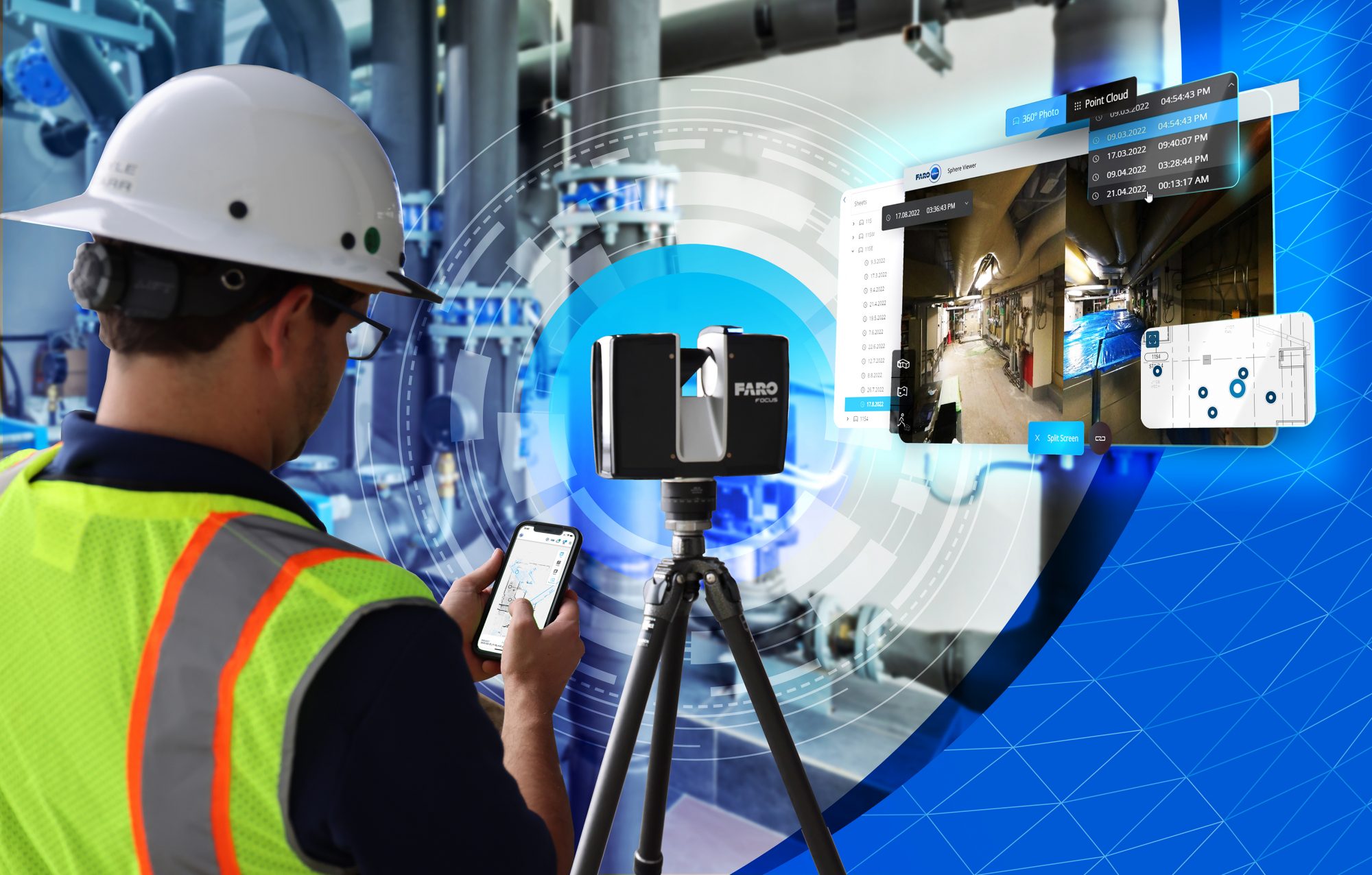
Yes, certain software application are important for processing 3D laser scans. 3D Scanning. Popular choices consist of Autodesk Wrap-up, Faro Scene, and Leica Cyclone, each offering one-of-a-kind attributes tailored for assessing and envisioning scanned data efficiently in numerous tasks
Just How Does 3D Laser Scanning Influence Environmental Sustainability in Building And Construction?
3D laser scanning improves ecological sustainability in building and construction by decreasing product waste, making it possible for specific measurements, and promoting effective resource use. This technology allows for much better preparation, minimizing the environmental footprint of construction projects with enhanced accuracy and performance.
3D laser scanning is changing the landscape of architectural design and construction. 3D laser scanning modern technology might seem complex, its core concepts are transformative and uncomplicated for building style. By enabling engineers to picture complicated spatial connections and intricate information, 3D laser scanning exposes creative opportunities in style. The integration of 3D laser scanning right into the layout process fosters collaboration amongst multidisciplinary groups, encouraging the exchange of ideas and boosting imagination. The integration of 3D laser scanning right into architectural design not just enhances creative thinking however likewise establishes the stage for its developing duty in the future of design and building.